
Keeping your fridge and pantry tidy can transform your kitchen experience. A well-organized space not only makes cooking more efficient but also helps reduce food waste and saves money. If you often find yourself digging through cluttered shelves or tossing expired items, these practical tips will help you maintain a neat and functional food storage area.
Why Organizing Your Fridge and Pantry Matters
A cluttered fridge or pantry can lead to forgotten leftovers, expired goods, and even food safety issues. By organizing these spaces regularly, you’ll:
– Find ingredients faster
– Reduce waste by using food before it expires
– Keep your kitchen clean and hygienic
– Create a pleasant environment for meal prep
Getting Started: Clear and Clean
Step 1: Empty Everything Out
Begin by removing all items from both your fridge and pantry. Place them on a counter or table to sort through and check for anything expired or spoiled.
Step 2: Clean Thoroughly
Wipe down shelves, drawers, and door compartments with warm, soapy water or a mild cleaner. Don’t forget corners and under shelves where crumbs can hide. Allow surfaces to dry completely before restocking.
Organizing Your Fridge
Categorize Items
Group similar foods together to simplify access:
– Dairy (milk, cheese, yogurt)
– Meats and seafood (store in the coldest part)
– Fruits and vegetables (use designated drawers)
– Condiments and sauces (door shelves)
– Leftovers and ready-to-eat foods (front shelves)
Use Clear Containers and Labels
Storage bins or clear containers keep smaller items together and prevent spills. Label containers or shelves for easy identification, especially when multiple people use the fridge.
Maintain Proper Temperature Zones
The fridge is colder near the back and bottom. Store perishables like meat in the coldest spots, while eggs and dairy can go on middle shelves. Fruits and veggies do best in humidity-controlled drawers.
Practice the FIFO Rule
FIFO stands for “First In, First Out.” Place older items at the front so you use them before newer ones, reducing spoilage.
Organizing Your Pantry
Categorize by Food Type
Sort pantry items into groups such as:
– Grains and pasta
– Canned goods
– Baking supplies
– Snacks
– Spices and seasonings
Using baskets or bins helps keep these groups contained and easy to pull out.
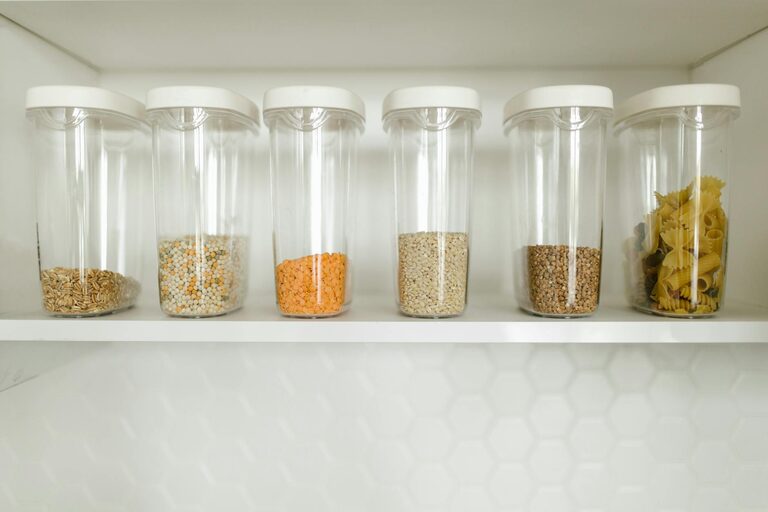
Use Uniform Containers for Dry Goods
Transfer staples like flour, sugar, rice, and cereal to airtight containers. This keeps food fresh longer, prevents pests, and provides a neat appearance.
Label Everything
Clear labels reduce the time spent searching. Include expiration dates when possible, and note the contents if containers are opaque.
Maximize Space with Shelf Risers and Hooks
Use vertical space effectively by adding shelf risers or stackable containers. Hooks on pantry doors are great for hanging lightweight items like aprons, bags, or kitchen tools.
Regular Maintenance Tips
– Weekly Check: Quickly scan your fridge and pantry for expired foods or spills.
– Monthly Deep Clean: Repeat the emptying and wiping process to maintain cleanliness.
– Meal Planning: Create weekly meal plans to help use what you have and reduce impulse purchases.
– Shop Smart: Only buy what you need, considering storage space and shelf life.
Bonus Tips for Success
– Keep a small grocery list on your fridge to note items you’re running low on.
– Use clear produce bags or containers to store smaller fruits and vegetables neatly.
– Freeze excess perishable foods near their expiration to extend usability.
—
A tidy fridge and pantry promote better eating habits and a smoother cooking process. With these straightforward strategies, your kitchen will stay organized and inviting all year round. Give them a try and enjoy the benefits of an orderly food storage space!